Schizophrenia, Bipolar Disorder Predicted With AI
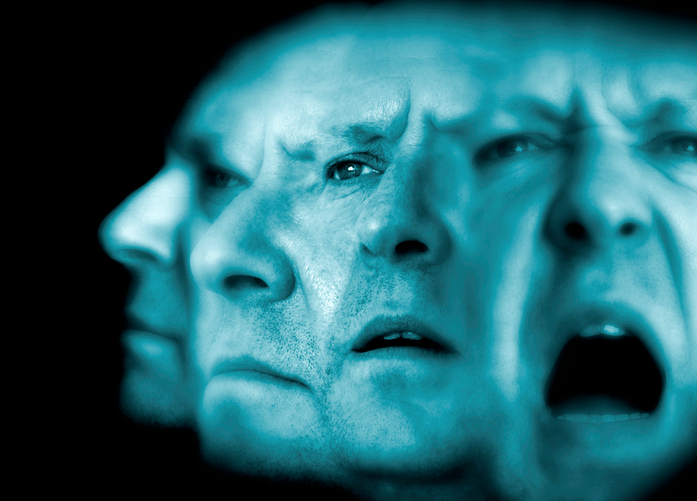
New research shows machine learning could help predict the onset of schizophrenia and bipolar disorder by analyzing routine clinical data from electronic health records.
The study, led by Lasse Hansen, a researcher at Aarhus University, demonstrated that the artificial intelligence (AI)-based tool was better at predicting schizophrenia than bipolar disorder, but could predict the onset of both within the next five years to a reasonable degree of accuracy.
“Schizophrenia and bipolar disorder are severe mental disorders that often impair the ability to lead a normal life,” wrote the authors in JAMA Psychiatry.
“Despite typically emerging in late adolescence or early adulthood, diagnosis is often delayed several years. Timely and accurate diagnosis is crucial because diagnostic delay impedes the initiation of targeted treatment. Furthermore, the longer the duration of untreated illness, the worse the prognosis becomes.”
Hansen and colleagues wanted to assess whether using AI could help speed diagnosis for people at risk for these conditions.
The study used electronic health record data from everyone aged 15–60 years who had at least two contacts with the psychiatric services of the central Denmark region, at least three months apart, between early 2013 and late 2016. Overall, this group included 24,449 people between 24 and 42 years of age, 57% of whom were female.
The researchers used a type of machine learning algorithm known as XGBoost to analyze their data. They first trained the model and then tested its efficacy on a different group of participant data. The team found that the algorithm was able to predict the onset of schizophrenia or bipolar disorder within five years with good accuracy.
The area under the receiver operator curve (AUROC) test is a way to measure how precisely a machine learning model can tell the difference between two groups. The algorithm was able to differentiate between positive and negative cases in the training set 70% of the time and 64% of the time in the test group.
When risk for the two conditions was assessed separately, the AUROC score for schizophrenia prediction was better at 80% than the bipolar score at 62%. Generally, an AUROC score of 70% or higher is considered fair-good, but this does depend on the specific test.
“These findings suggest that detecting progression to schizophrenia through machine learning based on routine clinical data is feasible, which may reduce diagnostic delay and duration of untreated illness,” concluded the researchers, although they acknowledge that more work is needed to validate the model before it could be implemented in the clinic.
link