Why Your Electrician’s LEW Licence Matters More Than You Know
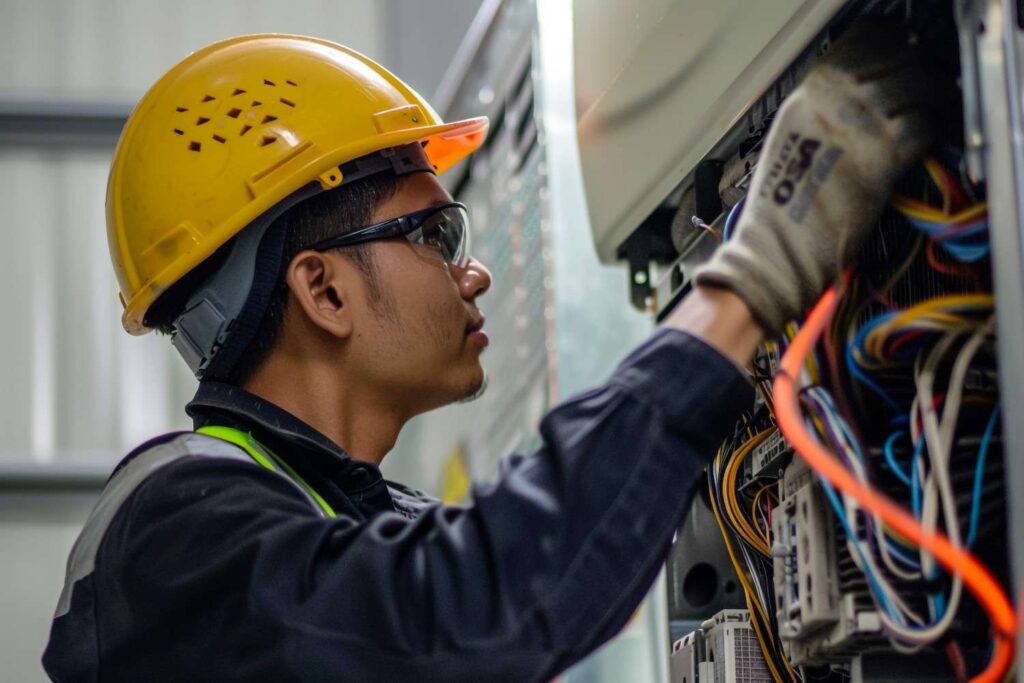
When you hire someone to work on your property’s electrical system, the presence of a lew electrical qualification represents the difference between professional competence and potentially life-threatening incompetence. This credential, which stands for Licensed Electrical Worker, is not merely a bureaucratic formality but a carefully constructed safeguard designed to protect both property and lives. Yet many property owners remain unaware of what this licence actually signifies or why it should be non-negotiable when selecting someone to handle electrical work.
What Makes a Licensed Electrical Worker Different
A licensed electrical worker in Singapore has undergone rigorous training, examination, and certification processes administered by the Energy Market Authority. This is not a weekend course or a self-declared expertise. The LEW credential represents years of technical education combined with practical experience, all verified through formal assessment.
The licensing framework recognises different grades of electrical workers, each authorised to perform specific types of work:
- LEW Grade 1qualified to perform electrical installation work on low voltage installations
- LEW Grade 2authorised for more complex installations and supervisory roles
- LEW Grade 3permitted to work on high voltage installations and advanced systems
- LEW Grade 9specialising in particular categories of electrical work
This hierarchical structure ensures that the complexity of electrical work matches the qualifications of the person performing it. It acknowledges that not all electrical tasks carry the same risks or require the same expertise.
The Legal Framework Behind LEW Licensing
Singapore’s Electricity Act makes the requirements explicit. According to the Energy Market Authority’s regulations, “only Licensed Electrical Workers are permitted to carry out electrical installation work.” This legal mandate exists because electrical work, when performed incorrectly, can result in electrocution, fires, equipment damage, and compromised building safety systems.
The legislation further specifies that all electrical installation work must be supervised by appropriately licensed workers. This requirement extends beyond the actual hands-on work to encompass planning, testing, and certification. A licensed electrical worker’s signature on completion certificates carries legal weight because it represents professional accountability backed by verified competence.
Why Unlicensed Work Poses Serious Risks
The temptation to hire unlicensed workers often stems from cost considerations. Unlicensed individuals typically charge less, creating an apparent financial incentive. However, this calculation fails to account for the genuine risks involved.
Improperly installed electrical systems can remain dormant hazards for years before manifesting as disasters. A poorly executed connection might function normally for months before overheating and igniting surrounding materials. An incorrectly wired circuit breaker might fail to trip during an overload, allowing dangerous conditions to persist undetected. These failures do not announce themselves until it is too late.
Moreover, insurance complications frequently arise from unlicensed electrical work. Many insurance policies explicitly exclude coverage for damage resulting from work performed by unqualified individuals. A property owner who suffers a fire caused by unlicensed electrical installation may discover that their insurance claim is void, leaving them to bear the full financial burden of the damage.
How to Verify LEW Credentials
The Energy Market Authority maintains a public register of licensed electrical workers, accessible to anyone seeking to verify credentials. This transparency serves an important function. It empowers property owners to make informed decisions and removes any ambiguity about whether someone possesses legitimate qualifications.
When engaging electrical services, property owners should:
- Request the worker’s LEW registration number
- Verify the registration through the EMA’s online registry
- Confirm that the licence grade matches the scope of work required
- Ensure the licence remains current and has not expired or been suspended
These verification steps take minimal time but provide crucial assurance. A legitimate licensed electrical worker will readily provide registration details and understand why clients request this information.
The Continuing Education Requirement
LEW licensing is not a permanent credential acquired once and retained forever regardless of subsequent engagement with the field. Licensed electrical workers must undertake continuing professional development to maintain their licences. This requirement recognises that electrical standards, technologies, and best practices evolve continuously.
The Energy Market Authority mandates that licensed workers complete regular training to remain current with regulatory changes, new safety protocols, and technological developments. This ensures that a licensed electrical worker’s knowledge reflects contemporary standards rather than outdated practices learned years or decades ago.
The Broader Implications for Building Safety
In a densely populated urban environment like Singapore, the consequences of electrical failures extend beyond individual properties. A fire originating from faulty electrical work in one unit can spread to neighbouring properties, endangering multiple households. Electrical faults can compromise building-wide safety systems, affecting entire communities.
The LEW licensing system represents a collective commitment to maintaining baseline safety standards. It recognises that electrical safety is not purely a private matter but has public dimensions. Every properly licensed worker contributes to the overall safety infrastructure that allows high-density urban living to function without constant catastrophic failures.
Making Informed Choices
The evidence suggests that cutting corners on electrical work by engaging unlicensed individuals represents a false economy. The modest savings achieved upfront pale against the potential costs of fires, injuries, insurance complications, and the eventual need to correct substandard work. Insisting on verified lew electrical credentials is not excessive caution but basic prudence in protecting what matters most.