2025 Transportation Tech Wish List: Safety, Innovation, Infrastructure

David Roberts is the President and Chief Executive Officer of Verra Mobility, a leading provider of smart mobility technology solutions.
As we look ahead to 2025, the transportation industry stands at a crossroads where we have an opportunity to make a major impact on efficiency and improve safety.
Rather than make typical predictions, I’d like to share my wish list for the new year to highlight where focused effort and innovation could save lives and make our roads significantly more efficient.
Prioritizing Child Safety Through Technology And Design
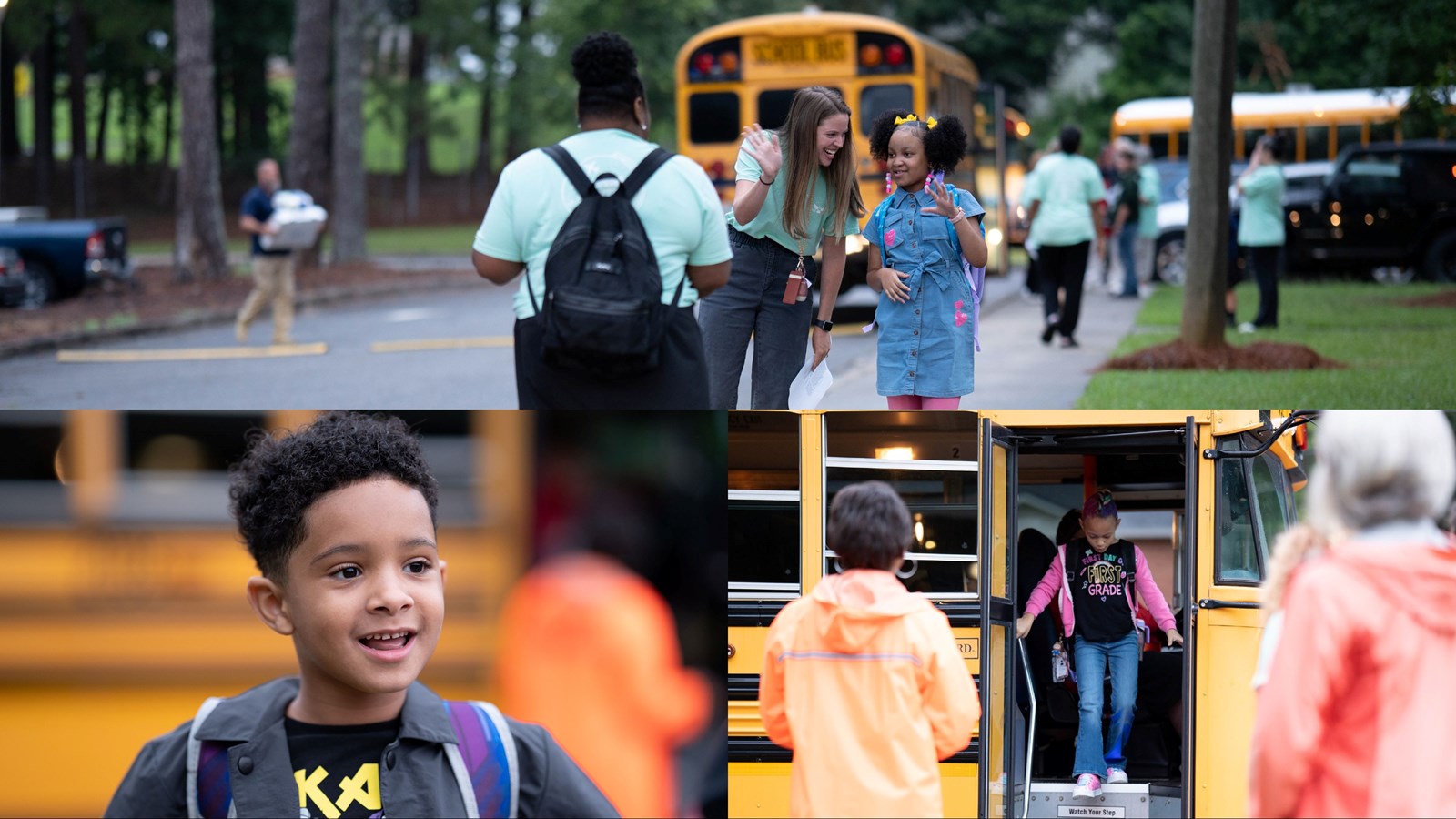
One of my top wishes for 2025 is to see technology improve safety around schools and school buses. In New York alone, about 50,000 drivers illegally pass a stopped school bus every day—risking the lives and safety of our children.
Automated enforcement systems in school zones and stop arm cameras on buses help create a comprehensive safety net for children. Results from programs in states like Florida and New York are already showing how combining smart infrastructure with enforcement technology can dramatically reduce dangerous driving behavior near schools, and other states are quickly moving to deploy new programs.
I hope to see more cities and school districts deploy automated enforcement technology to protect kids going to and from school.
Expanding Autonomous Vehicle Services Thoughtfully
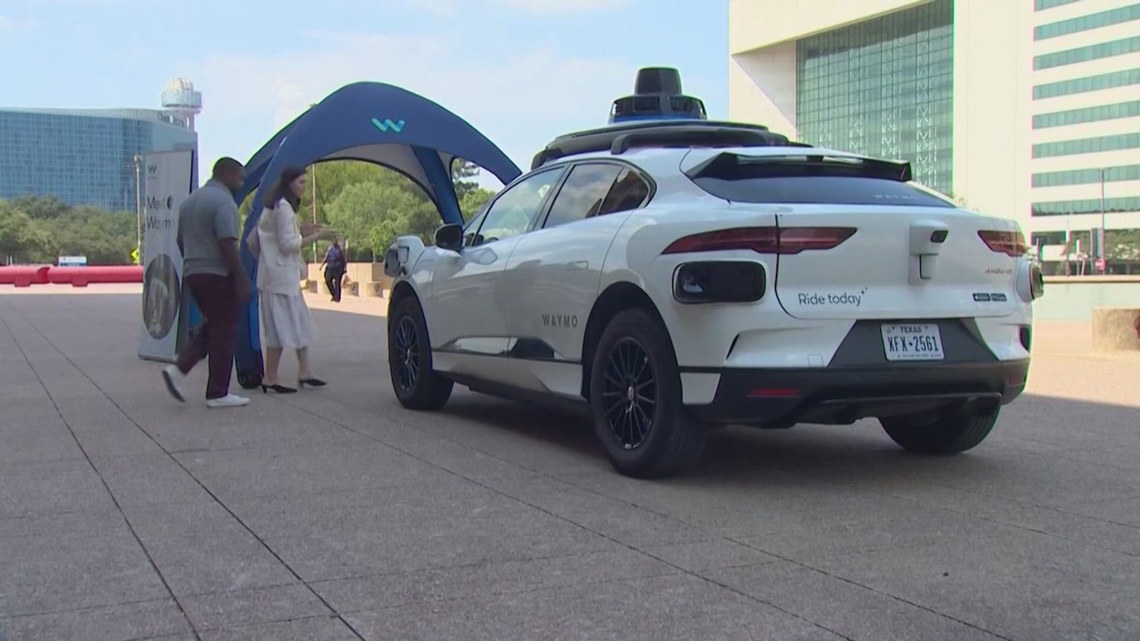
The expansion of autonomous vehicle services like Waymo from Phoenix, San Francisco and Los Angeles into new cities like Austin and Miami shows that careful, methodical deployment can build public trust. This year, we’ll see Zoox start offering public rides.
My wish is to see this expansion continue in 2025, with services reaching more communities while maintaining their focus on safety and reliability. This should also include working with local governments to help share data on traffic conditions, interactions with public safety personnel and unexpected situations.
The key is not just geographic expansion and technology improvements but also advancing the ability of autonomous vehicles to handle diverse weather conditions and traffic scenarios. Autonomous technology has shown it can handle routine driving situations well—the next step is mastering the nuances of different urban environments while maintaining high safety standards.
Breaking Down Data Silos In Transportation
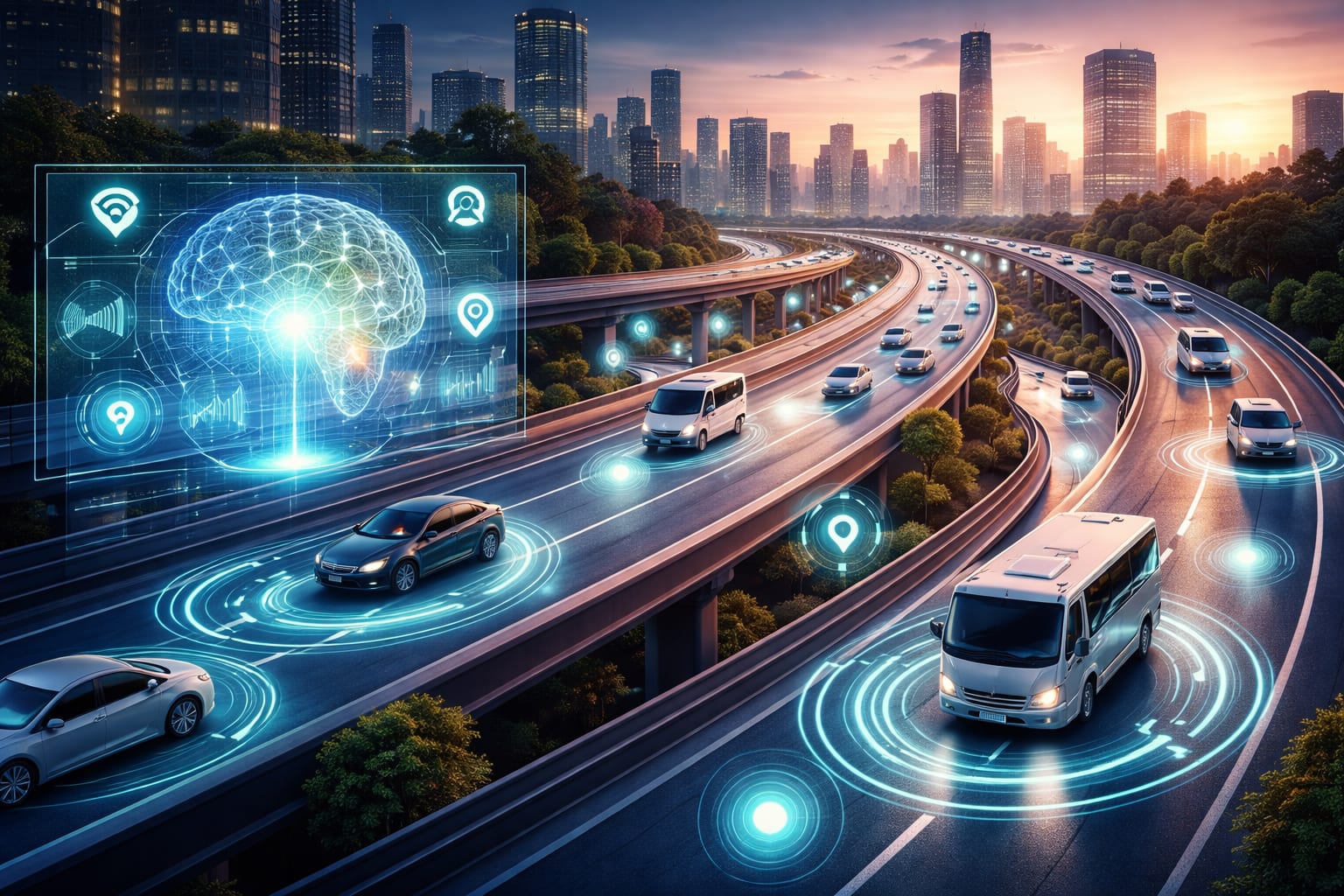
Speaking of using data to improve safety: As the number of connected vehicles grows, OEMs are gathering a tremendous amount of data about how people drive and what sort of situations they encounter. The major OEMs like Ford, GM and Stellantis are also improving automated safety systems for their cars.
The challenge is the vehicle industry currently operates in separate data ecosystems, with each company building its own knowledge base to train their AI systems.
One thing we know about AI is that the more information the system has, the better it will do, especially about so-called “edge cases”—such as a Waymo seemingly flummoxed by a broken fire hydrant.
As autonomous vehicles progress, companies like Google are integrating more LLM-based AI systems to improve performance. Google recently announced the improved results from their EMMA system. The challenge right now is that everyone is reinventing the wheel in isolation. As I’ve written about previously, we need to look at how the airline industry pools data to improve safety for everyone.
In 2025, I hope to see a shift toward collaborative data sharing. By creating a shared database of edge cases and driving scenarios, we could accelerate the development of safer autonomous systems. This isn’t just about competition—it’s about how we can make the system safer and more reliable.
Making Connected Vehicle Payments A Reality
The promise of seamless vehicle-based payments has long been discussed, but I think we’ll see real benefits for consumers in 2025.
Imagine your vehicle automatically handling payments for drive-throughs, tolling or parking without requiring a separate app and account for every vendor. Today, almost all new cars sold have the technology to validate and share info; now, we just need to connect payment systems together.
We know that consumers are open to this idea. A Verra Mobility survey found that more than half of Americans find the idea of a vehicle being a “digital wallet” appealing, and 54% would enable direct vehicle payment features if available, but only a fraction are currently using such services. Notably, 70% of drivers would prefer not to use their smartphone as an intermediary for these services, indicating a clear preference for solutions integrated directly into the car.
With 57% of Americans indicating they would pay more for a vehicle with connected services, 2025 could be the year when the digital wallet on wheels becomes a mainstream reality.
Reimagining Infrastructure Pricing
Speaking of toll roads, unfortunately, traffic hit record levels in 2024. We need to rethink how we pay for infrastructure fairly, that also benefits the broader community.
Currently, NYC is preparing to start charging a “congestion pricing” toll for drivers going into midtown Manhattan after reducing the planned toll from $12 to $9.
No one wants to pay more to get where they’re going, but we have to fund road construction somehow. The reality is that as more EVs hit the road, gas taxes—the primary way our roads are funded—will keep declining.
While I much prefer terms like Road Usage Charging or Dynamic Road Pricing over “congestion pricing,” we need to spend time educating people on the benefits of dynamic pricing and utilize pilot programs to fund the improvements to keep traffic flowing. With dynamic pricing based on time of day and road usage, we can help improve traffic flow while generating sustainable funding for infrastructure improvements.
Looking Ahead
These wishes reflect both my optimism about technology’s potential and pragmatism about the challenges.
Success will require collaboration between public and private sectors, community engagement and a commitment to safety first. While we may not achieve everything on this wish list in 2025, progress in these areas could significantly improve transportation safety and efficiency for everyone.
The coming year offers an opportunity to move beyond traditional approaches and embrace innovative solutions to long-standing challenges. By focusing on these key areas, we can work toward a transportation future that is safer, more efficient and more sustainable.
Forbes Technology Council is an invitation-only community for world-class CIOs, CTOs and technology executives. Do I qualify?
link