How satellites and AI are transforming Indian farming while fighting climate change
India’s agricultural sector is witnessing a revolutionary transformation as cutting-edge space technology merges with artificial intelligence.
From satellite-based crop monitoring to AI-powered precision farming tools, this technological convergence is reshaping how Indian farmers approach agriculture while building resilience against environmental threats.
According to Dr. Jitendra Singh, Union Minister of State for Science and Technology, India is entering a transformative phase in its space journey where applications of space technologies will not only transform agriculture, health, and education but also strengthen the nation’s climate adaptation strategies.

Satellite Technology Transforms Indian Agriculture
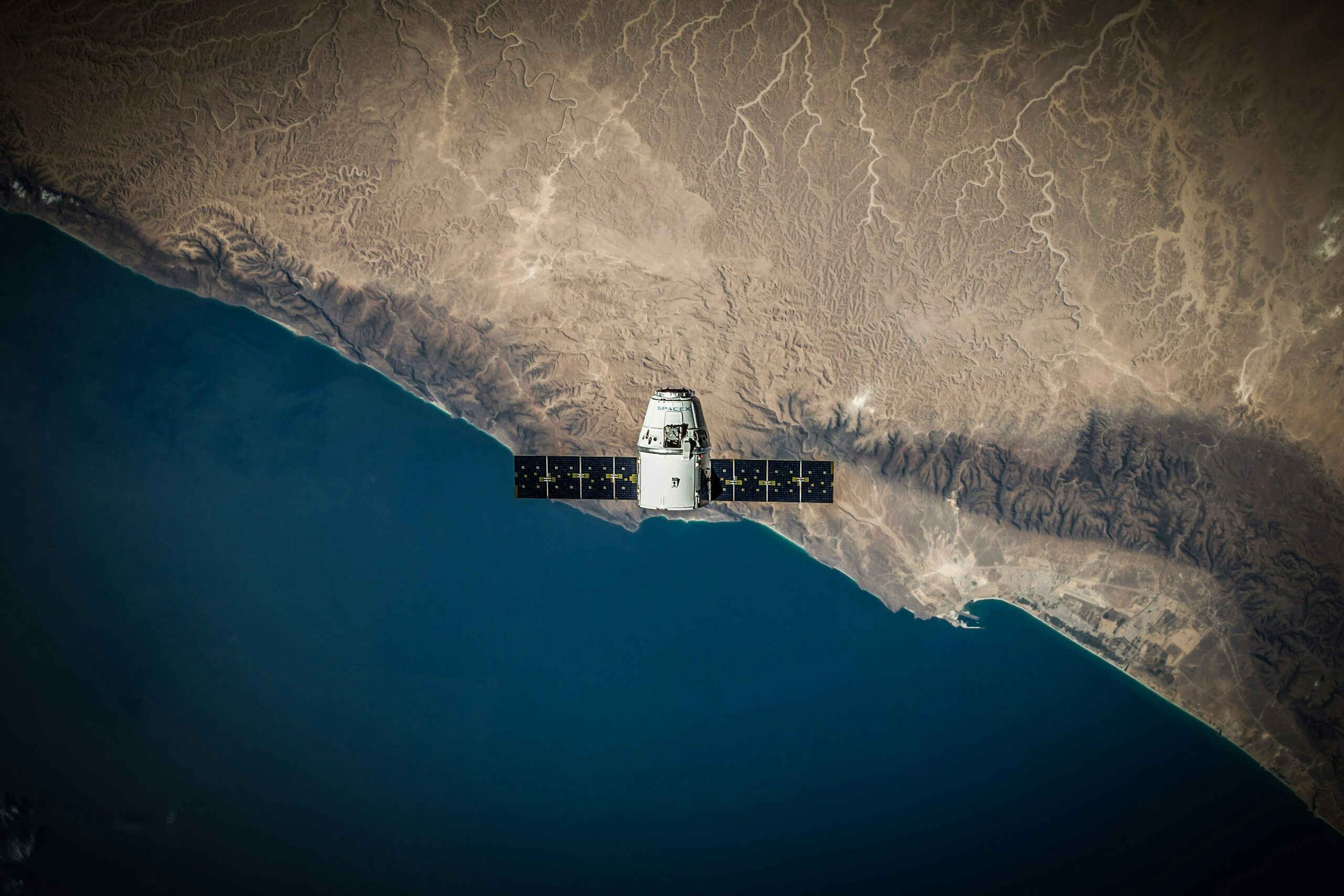
The Indian Space Research Organisation (ISRO) has been at the forefront of developing sophisticated satellite systems specifically designed for agricultural applications. According to the CEOS Missions, Instruments and Measurements database, over 27 future space missions have been approved globally for vegetation monitoring, with 12 dedicated to soil moisture tracking, signalling a significant shift towards precision agriculture.
ISRO’s Earth observation satellites now provide farmers with real-time, high-resolution data using cutting-edge sensors, including optical, hyperspectral, infrared, and radar technologies. Data from ISRO indicates that the advanced monitoring systems enable precise crop health assessment, soil condition analysis, and climate impact evaluation across millions of hectares of Indian farmland.
Farmonaut, a leading Indian agtech company, exemplifies this revolution through its satellite-based crop health monitoring system.
As per the Farmonaut’s reports, their multispectral satellite imaging technology provides farmers with unprecedented insights into crop health, soil moisture levels, and other critical metrics, enabling informed decisions about irrigation, fertiliser usage, and pest management.
“The strategic use of space technology advancements represents a quantum leap in precision agriculture,” states Farmonaut in their recent analysis. “By harnessing multispectral satellite images, we’re providing farmers with data-driven approaches that optimise crop yields whilst reducing resource wastage.”
AI-Powered Climate Solutions Drive Agricultural Innovation
The integration of artificial intelligence with space technology is creating powerful solutions for climate adaptation. Many advanced AI System demonstrates how AI developments in India are transforming agricultural decision-making by analysing satellite data alongside weather patterns to generate personalised farm advisory insights and expert crop management strategies in real-time.
According to India AI’s recent report, AI solutions are empowering farmers with real-time data and automation, addressing critical challenges like weather unpredictability and labour shortages that have intensified due to climate change.
Water management represents another crucial area where space technology is making significant impact. Data from agricultural technology researchers shows that new remote sensing tools, including microwave and SAR (synthetic aperture radar) technologies, provide real-time soil moisture monitoring, helping farmers optimise irrigation and prevent water wastage critical capabilities as India faces increasing water scarcity due to climate variability.
Climate Tech Innovations Combat Environmental Challenges
The climate innovation ecosystem is witnessing substantial growth in clean energy integration within agricultural systems. According to StartUs Insights’ analysis of climate tech trends in 2025, renewable energy solutions are being integrated into farming operations to reduce dependence on fossil fuels and advance net-zero goals.
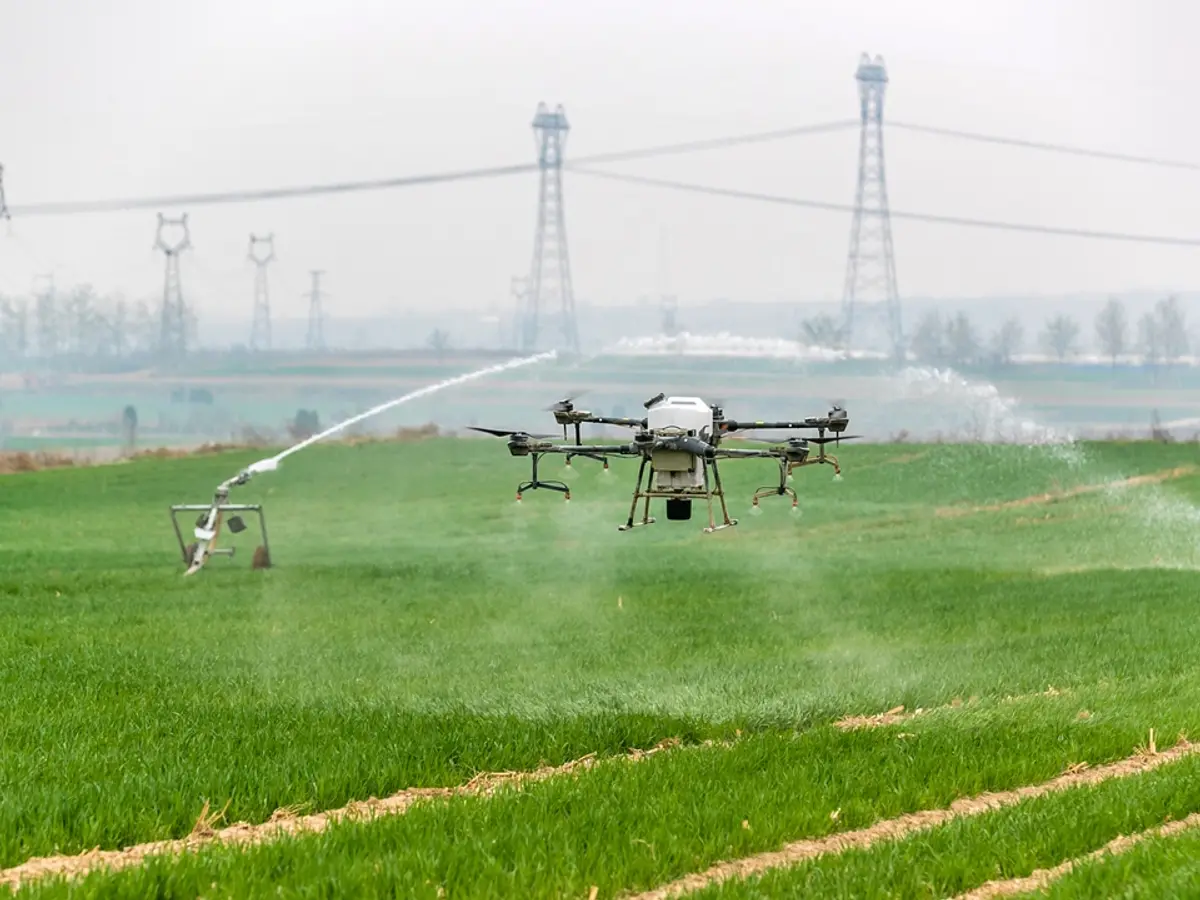
GNSS-enabled tractors and drones are already improving efficiency in seeding, fertilisation, and pest control, whilst the integration of AI and satellite data is expected to advance automation further. Autonomous machinery now operates with pinpoint accuracy, where every seed and drop of water can be optimised based on real-time data, enabling waste reduction and increased productivity.
Quantum computing represents the next frontier in agricultural data analysis. According to technology analysts, quantum computers’ ability to perform multiple calculations simultaneously could dramatically reduce processing times for satellite data, potentially unlocking insights at an unprecedented scale for predicting climate patterns and optimising land use.
Building Resilient Food Systems Through Space Technology
The integration of space technology into agriculture extends beyond efficiency improvements. It is already creating a more resilient global food supply chain.
According to agricultural technology experts, better monitoring, predictive analytics, and real-time decision-making tools are equipping farmers to handle climate change, resource shortages, and growing food demands more effectively.
Space technology is offering farmers the tools to produce food more sustainably whilst adapting to climate challenges. Data from agricultural innovation reports indicates that these technologies are not just increasing yields but fundamentally changing how India approaches food security in an era of climate uncertainty.
As India continues expanding its influence in the global agricultural innovation landscape, solutions combining space technology and AI are positioning the country as a leader in sustainable farming practices, contributing to both national food security and global climate adaptation efforts.
link