Using AI To Improve Care And Cut Administrative Burdens

These young entrepreneurs, researchers and doctors are improving care, empowering patients and making healthcare more efficient.
By Alex Knapp, Amy Feldman and Genevieve Bookwalter
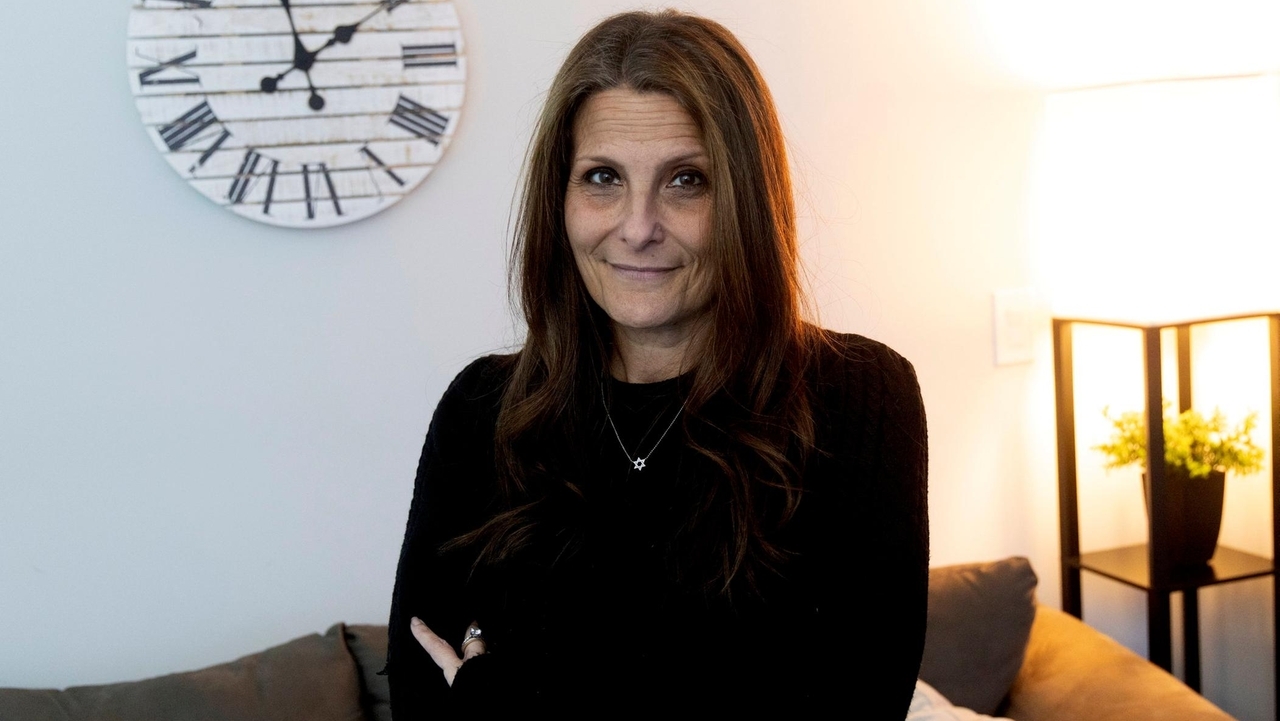
When Eunice Wu, 26 worked as a pharmacist, she was frustrated by the endless and endlessly tedious data entry and administrative work her job entailed. So with Can Uncu, 25, who she met in a Canadian accelerator program, she started Asepha, which uses AI software to process handwritten prescriptions and verify medical codes expediting the work that many pharmacists would say is the worst part of the job. The two-year-old startup has now raised more than $4 million in venture funding.
“Probably 90% of my day was being wasted on this manual work instead of actually seeing patients,” she told Forbes. “We give pharmacists back their time so they can focus on patients instead of paperwork.”
Wu, who is this year’s featured entrepreneur, and Uncu are just two of the rising stars on this year’s Forbes 30 Under 30 Healthcare list, a batch of honorees all working to solve some of the industry’s biggest challenges. They’re improving clinical care, increasing access and reducing administrative burdens, often helped by technology.
Jeffery Liu, 28, and Jon Wang, 28, founders of Assort Health, are using AI to solve a different pain point: scheduling doctor appointments over the phone. Their company, an alum of this year’s Forbes’ Next Billion-Dollar Startups list that has now raised more than $100 million from investors that include Lightspeed and First Round Capital, developed a text-to-voice AI-enabled chatbot to search physicians’ calendars to match openings with the type of appointment required. This might sound simple, but in healthcare even things that seem easy rarely are. Assort’s software has cut wait times for millions of inbound calls—and reduced frustration for patients and physicians alike.
Others using AI to improve healthcare include Jocelyn Kang, 26, and Caroline Zhang, 25, founders of Knowtex, who are automating clinical workflows with AI; James Hu, 29, and Jhoneldrick Millares, 28, founders of Illumant Surgical, who are combining AI and computer vision to improve image-guided surgical procedures; and Will Yin, 26, and Rohit Rustagi, 29, who launched Mandolin to streamline access to specialty drugs—again with help from AI.
While AI is a clear zeitgeist this year, some young entrepreneurs have focused on different types of breakthroughs. Jeremy Barenholz, 27, cofounder of Nudge, is developing a device that uses focused ultrasound to image and stimulate deep regions of the brain without requiring an invasive procedure. In July, it raised $100 million led by Thrive Capital and Greenoaks to build out its technology. And Madeline Eiken, 28, and Charlie Childs, 28, cofounders of Intero Biosystems, are growing miniature human intestines in the lab to test medications—an innovation they hope will someday become a viable alternative to animal testing for drugs.
The Under 30 Healthcare list doesn’t just focus on founders; it also includes standout medical researchers. Bradley Pierce, 29, a general surgery resident physician at the U.S. Army, developed a novel life support system to help patients survive traumatic abdominal hemorrhages on the battlefield. And Arya Rao, 24, an MD-Ph.D. candidate at Harvard and MIT, is researching the underlying structures of gene therapies, which she hopes will help speed up the creation of new drugs.
For more than a decade, Forbes has highlighted rising stars on the 30 Under 30 list with the help of nominations from the public. To find the very best in Healthcare this year, Amy Feldman, Alex Knapp and Genevieve Bookwalter combed through hundreds of nominations submitted online or generated by our own reporting. To be considered for the list, all candidates had to be under the age of 30 as of December 31, 2025, and never before named to a North America, Europe or Asia 30 Under 30 list. Of those named to this year’s Healthcare list, 41% are women, 46% identify as a person of color and 77% are founders.
A team of expert judges helped choose the final 30. This year the judges were Gail Boudreaux, CEO of Elevance Health; Neil Kumar, founder and CEO of BridgeBio; Annie Lamont, cofounder and managing partner of Oak HC/FT; and Anirudh Joshi, cofounder and CEO of Valar Labs and an alum of the 2025 Under 30 list in Healthcare.
See the whole Under 30 Healthcare list here or check out all the categories here.
30 UNDER 30 RELATED ARTICLES
link